|
|
|
|
|
Home : Maronite Church |
Church of Jesus |
 | |
 | |
|
|
| |
| The
Catholic Syrian Maronite Church |
|
|
| |
 |
L'Eglise
Syrien
Catholique
Maronite |
|
|
|
|
|
|
|
الكنيسة السريانية المارونية الانطاكية الكاثوليكية |
|
|
|
|
|
|
| |
|
|
|
 |
|
|
|
|
|
|
|
|
| |
 Life of Jesus Christ. Our
Father, Notre Père, الصلاة الربانية - الابانا
Life of Jesus Christ. Our
Father, Notre Père, الصلاة الربانية - الابانا
|
|
| |
|
|
|
|
|
Our Father, Notre Père, الصلاة
الربانية |
| |
| Our Father,
Notre Père, الصلاة
الربانية - الابانا
|
Multi languages Texts - 1.05 MB
zip file
download |
|
|
| |
|
|
|
الصلاة الربانية،
الابانا |
|
ابانا الذي في السماوات.
ليتقدس اسمك. ليات ملكوتك.
لتكن مشيئتك في الارض كما في السماء. اعطنا خبزنا اليومي،
واغفر لنا ذنوبنا. كما غفرنا نحن للمذنبين الينا،
ولا تدخلنا في التجربة. لكن نجنا من الشرير.
آمين |
|
|
|
|
|
|
|
|
|
| |
| |
Our Father
|
Our
Father, who art in Heaven.
Hollowed be thy Name. Thy
Kingdom come. Thy will be
done on Earth as it in
Heaven. Give us
this day our daily Bread.
And Forgive us our
Trespasses. As we
Forgive those who Trespass
against us, and Lead us
not into Temptation. But
Deliver us from Evil.
Amen. |
|
|
|
|
| |
| |
Notre
Père
|
Notre Père qui es
aux cieux. Que ton nom soit sanctifié. Que ton règne
vienne. Que ta volonté soit faite sur la terre comme au
ciel. Donne-nous aujourd'hui notre pain de ce jour. Et
pardonne-nous nos offenses. Comme nous pardonnons aussi
à ceux qui nous ont offensés, et ne nous soumets pas à
la tentation. Mais délivre-nous du mal.
Amen. |
|
|
|
|
|
|
|
|
|
Our Father,
Notre Père,
الابانا |
|
to Enlarge |
|
|
|
|
|
|
|
|
|
| |
|
|
| |
The Charity, La Charité,
المحبة
-
En, Fr & Ar |
|
| |
|
|
|
|
Charity, La charité, المحبة
The Bible, New Testament -
Corinthians 1 -
(Arabic,English, French) |
| |
الكتاب المقدس بعهده الجديد،
رسالة كورنثوس الأولى |
|
| |
|
|
|
The Bible, New Testament - Corinthians 1 |
| |
Charity
Though I speak with the
tongues of men and of angels,
and have not charity, I am
become as sounding brass, or a
tinkling cymbal.
Charity suffereth long,
and is kind; charity
envieth not; charity
vaunteth not itself, is
not puffed up.
Doth not behave itself
unseemly, seeketh not her
own, is not easily
provoked, thinketh no
evil.
Rejoiceth not in iniquity,
but rejoiceth in the
truth.
Beareth all things,
believeth all things,
hopeth all things,
endureth all things.
Charity never faileth: but
whether there be
prophecies, they shall
fail; whether there be
tongues, they shall cease;
whether there be
knowledge, it shall vanish
away. |
 |
|
|
|
|
|
La Bible, Nouveau Testament -
Corinthians 1 |
| |
La charité
Quand je parlerais les langues
des hommes et des anges, si je
n'ai pas la charité, je suis
un airain qui résonne, ou une
cymbale qui retentit
La charité est patiente, elle
est pleine de bonté; la
charité n'est point envieuse;
la charité ne se vante point,
elle ne s'enfle point
d'orgueil,
elle ne fait rien de
malhonnête, elle ne
cherche point son intérêt,
elle ne s'irrite point,
elle ne soupçonne point le
mal,
elle ne se réjouit point
de l'injustice, mais elle
se réjouit de la vérité;
elle excuse tout, elle
croit tout, elle espère
tout, elle supporte tout.
La charité ne périt jamais.
Les prophéties prendront
fin, les langues cesseront,
la connaissance
disparaîtra. |
 |
|
|
|
|
|
|
|
|
|
| |
|
|
| |
|
حضارة المحبة، حضارة يسوع المسيح الله،
حضارة القداسة
والقديسين |
| |
حضارة يسوع المسيح الله،
حضارة المحبة، حضارة القداسة والقديسين |
|
| |
|
|
| ا. |
خلق الله الانسان
على صورته، ونفخ الله في الانسان نسمة حياة من روحه. ونظر
الله الى ما صنعه فراه حسن جدا. تكوين
1و2 |
| |
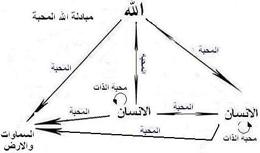
الله بحب الانسان متلما هو.
تيبادل الانسان الله
المحبة ، على الانسان ان يحب شو بحب الله، اي ان يحب الانسان كل
انسان. انها حضارة المحبة |
| |
|
| ب. |
في ملء الزمن
تجسد يسوع المسيح الله، فعلم وتالم وصلب ومات وقام، واهبا انسانه حضارةالمحبة:
|
| |
| 1. |
محبة الارض
والسماوات. |
| 2. |
محبة الانسان هي
ثلاث: |
| |
| 1. |
محبة القريب او محبة بعضنا
لبعض. |
| 2. |
المحبة المجانية او
الغرائزية - كمحبة الوالدين ....
|
| 3. |
محبة العدو
هي اثنان: |
| |
| 1. |
العدو الاول
للانسان هي ذاته. ولكي يتصالح
الانسان مع ذاته،
على الانسان ان
يرفع السرية عن مخزون اسراره،
بالمجاهرة والاعتذار. فاسرارك ايها الانسان
متشابهة مع اسرار اخيك الانسان، لذا لا تخف. |
| 2. |
العدو الثاني
للانسان هو اخاه في الانسانية الذي يعارضه الراي او التصرف. لذا على
الانسان ان يحبه ولو من جهة واحدة وان
يتحاشاه. عملا بقول المسيح لتلاميذه: اية
مدينة دخلتموها وما قبلقم فيها اهلها. فاخرجوا الى
شوارعها وقولوا حتى الغبار العلق باقدامنا من
مدينتكم ننفضه. | | | |
 | |
|
كلمات
لقديس لبنان، شربل
التزموا بالكنيسة وتعاليمها، ثابروا على
الصلا دون ملل. كرّموا مريم العدرا، تسلّحوا
بالمسبحة، إسم مريم العدرا ببيد الظلمة وبيسحق
الشرّ.
كونوا رهبان بقلب العالم، ولو بدون ثوب. كونوا
قدّيسين وقدّسوا الأرض. درب القداسة طويل.
لمّا بتكون أفكار الله بعقولكن، ومحبّة الله
بقلوبكن، بتكون قوّة الله بزنودكن.
كلّ ما تكونوا عم تصلّوا، بكون عم بصلّي معكن، تا
تتقدّسوا ويتمجّد إسم الربّ. |
|
|
حضارة يسوع المسيح الله، حضارة المحبة،
حضارة القداسة والقديسين |
|
|
| |
لبنان 2013 |
|
|
|
|
|
|
|
| |
|
|
|
1. |
|
the Maronite
Mass celebration in Arabic,
Audio, rm & mp3
format |
| Download
this Maronite Mass |
|
Audio, rm format |
Audio file, 10.8 MB,
download |
| |
|
|
Audio, mp3 format |
Audio file, 63.0 MB,
download |
|
|
|
|
|
| |
- from the
Virgin Mary (El-Saïdeh) Church - Fanar, el-Maten,
Lebanon
- Audio file, Arabic Language
-
Info ....
- Note:
1- The name of the Maronite Mass
Celebration file, in rm format, is Mass55.rm
You Need
the RealPlayer to
listen. -
Free
download

2- The name of the Maronite Mass
Celebration file, in mp3 format, is Mass555.mp3
|
 |
|
|
2 |
Link - Online
Audio, the Holy Mass Celebration of the Maronite Catholic Church in Arabic |
| |
|
|
3. |
| The Maronite
Mass Text, in Arabic |
Arabic texts, 71 KB zip file
download |
|
| |
 |
|
4. |
| The Mass
.... |
في المشاركة بالذبيحة
الالهية |
|
|
|
|
|
|
- هي الايمان.
الثالوث الاقدس هو الله، والاب هو الله، والابن
هو الله، والروح القدس
هوالله. |
|
- هي اللقاء بيسوع الله.
يسوع الكلمة. يسوع
الكتاب المقدس. يسوع
الجسد والدم. يسوع
القربان المقدس. ويسوع
المتمثل بكل انسان
مشارك بالذبيحة، من
الكاهن الى كل مومن،
بحسب قول يسوع المسيح
لشاوول(بولس) في طريقه
الى دمشق لاضطهاد
المسيحين - "انا يسوع
الناصري الذي تضطهده". |
|
- هي الصليب ورسمه.
حيث يشارك المومن يسوع
في تجسده وتعليمه
وتالمه وصلبه وموته
وقيامته. |
|
- هي التوبة والمغفرة.
التي تخط درب المومن
نموا في يسوع |
|
- هي الكلمة التي تجسد
المحبة، محبة يسوع
للانسان، كخارطه حياة |
|
- هي السلام.
حيث محبة الله تحل
عاموديا في المومن،
فينقلها افقيا لقريبه.
وبسَوال المومن يسوع
الواسطة، تتلمس البشرية اجمع محبة
يسوع. رجاء البشرى |
- هي التقديس. حيث
يتحول الخبز والخمر
بواسطة الروح القدس
الله، الى جسد ودم يسوع.
رجاءي،
ماذا لو في لحظتي
مباركة يسوع الخبز
والخمر، يرسم المومن
اشارة الصليب، افلا
يتقدس ويتحول بواسطة
الروح القدس ايضا الى
جسد ودم يسوع ... |
|
- هي المناولة. غنى
المومن بيسوع.
ماذا لو سال المومن
يسوع الواسطة، لاغتاء
البشرية بقربانه. رجاء الشفاء |
|
- هي الشكر.
فبيسوع القربان شع في
المومن رجاءين: اولهما،
ان يغدو المومن بيت
قربان كما مريم،
وثانيهما، ان القربان
ومريم حلا في المومن
لانه يقال: حيث يكون
القربان هناك تكون مريم
حا رسة |
|
|
|
|
|
|
|
|
|
|
|
|
| |
|
|
| |
|
La Sainte Messe,
Le
témoignage de Catalina,
stigmatisée |
|
The Holy Mass,
explained
to Catalina by Jesus
and Mary |
|
|
English Texts - 240 KB zip file download |
|
-
“The Holy Mass,”
in which Our Lord
and Our Lady
explain to
Catalina what is
really going on
during the Mass in
the spiritual
realm, and how we
should be more
concentrated on
the great
mysteries that are
taking place.
-
The
testimony of Catalina
on the Holy Mass
|
|
|
|
|
| |
|
La Sainte Messe,
Le
témoignage de Catalina,
stigmatisée |
|
|
|
- Dans une merveilleuse catéchèse,
le Seigneur et la Vierge Marie nous ont instruits sur la
façon de prier le Rosaire en le faisant avec notre cœur, où nous rencontrons Dieu et notre Sainte
Mère.
- Ils nous ont aussi instruits sur ce qui arrive pendant la Sainte
Messe et comment le vivre avec nos cœurs.
-
Biographie de
Catalina, Témoins de l'Amour et
de l'Espérance
|
 |
|
|
|
|
|
|
| |
| |
|
|
|
Pour évangéliser le monde, il faut
des 'experts' en célébration, en
adoration et en contemplation du
l'Eucharistie |
-
L'Evangélisation
-
à partir de
l'Eucharistie
-
par/dans l'Eucharistie
-
pour l'Eucharistie
|
|
 |
|
Messe |
 |
|
Eucharistie |
|
 |
|
Communon |
 |
Adoration |
|
|
|
|
|
| |
|
|
|
|
|
|
|
|
|
|
| |
|
|
| |
|
|
| |
The
names of the twelve
apostles:
Simon who
is called Peter,
Andrew his brother;
James the son of Zebedee,
John his brother;
Philip,
Bartholomew;
Thomas,
Matthew the publican;
James the son of Alphaeus,
Thaddaeus;
Simon the Canaanite,
Judas Iscariot who also
betrayed him -
Matthias was numbered with the
eleven apostles. |
|
|
Les
noms des douze apôtres
:
Simon
appelé Pierre,
André son frère,
Jacques fils de Zébédée,
Jean son frère,
Philippe,
Barthélemy,
Thomas,
Matthieu le publicain,
Jacques fils d'Alphée,
Thaddée,
Simon le Cananite,
Judas l'Iscariot celui qui livra
Jésus
-
Matthias fut associé aux onze
apôtres |
|
|
|
|
|
| |
|
|
| |
|
|
| |
- Pope also bears the
spiritual titles Bishop of Rome, Vicar
of Jesus Christ, Successor of St.
Peter, Prince of the Apostles,
Supreme Pontiff of the Universal Church,
Patriarch of the West, Primate of Italy,
Archbishop and Metropolitan of the Roman
Province and Servant of the Servants of God.
Since 1929, the pope's temporal title has been
Sovereign in the State of the Vatican City.
-
graphical list of Popes of
the Roman Catholic Church, from 25 to 2008
-
Lifes of the first 20 Popes
of the Roman Catholic Church -
Biographies, pictures, history information ...
- English texts, HTML files
|
 |
|
|
| |
| |
| |
|
|
|
الارشاد
الرسولي، رجاء جديد للبنان من
قداسة البابا يوحنا بولس الثاني - 1997 |
|
|
| |
|
2
Patriarchal Maronite Synodoces, 1881 &
2005 |
|
The
Patriarchal Maronite
Synodoce, 2005 |
Arabic Texts -
2.75 MB
zip file
download |
|
 |
-
To discover the
Maronite
heritage and
traditions to
consolidate the
Maronite
identity.
-
To perform the
required renewal
in the
ecclesiastical
life.
-
To confirm the
unity of the
Maronite church
in the
patriarchal
territory and in
the countries of
expansion and
its commitment
toward its
regional issues
where it exists.
-
A call for hope
and adherence to
faith and
holding on to
the message
conveyed to all
faithful despite
their concerns.
-
Arabic Texts,
Html files
|
|
|
|
 |
|
|
|
| |
|
The
Patriarchal Maronite
Synodoce, 1881 |
Arabic Texts -
153 KB
zip file download |
|
|
|
-
Maronite
Synodoce,
Louaize
1818
-
History
Document
-
PDF file,
Arabic
language
|
-
تعين كرسي
ثابت لكل
مطران
-
انشاء مدارس
اكليركية
-
تعين 7 اديار
للراهبات و6
للرهبان
|
|
|
 |
|
|
|
|
|
| |
|
|
|
|
| |
 |
| |
| Maronite history is coloured with the
romance that attaches itself to a struggle of a
determined people. Most nations in their history
often have to make a choice between
confrontation or cooperation and time has shown
us that minorities usually pay for their
continued existence through deformation of
character or out right collaboration.
| | |
| |
|
|
| Continue |
|
The Maronite and Life of Saint
Maroun -
English Text |
|
|
|
|
| |
The
Maronites through perpetual resistance and the
preservation of a precarious independence have
escaped this fate. Not only have they
survived, but they have survived uncowed.
The remarkable nature of their history lies hand
in hand with that of Lebanon, for centuries
being their retreat and fortress. Lebanon and
the Maronites are inseparably attached. The
Maronites have survived the storms of invasion,
occupation, repression and suppression for over
1600 years, preserving their religion,
traditions and state. Through the ages they
refused to bow to their occupiers, at the
height of the Umayyad dynasty the Maronites even
exacted tribute as a price for their good
behaviour, in due course their Christian
neighbours all succumbed to Islam but not
Lebanon, holding a Maronite majority well into
the 20th century, even their Syriac (Christian
Aramaic) language was widely spoken well into
the late 19th century and still survives today
in their liturgy and in some of their villages.
The mountain Maronites remain much as the
earliest travelers found them, not having lost
the virtues for which they have been admired.
The ingenuity and perseverance with which they
have tamed the hillsides is remarkable, striving
for soil, capturing it from rocks laboriously,
foot by foot. Their terraced vines, piled
vertically one above the other, climb to the
snows. Their minute orchards are often wedged in
the faults and crannies of precipices. Such
industry has its reward, the very rocks have
grown fertile. Their long political struggle and
the effort to squeeze a livelihood from the
rocks and precipices have made them independent,
courageous and provident.
| Life of Saint
Maroun |
 | |
Saint Maroun, born
in the middle of the 4th century was a priest
who latter became a hermit, retiring to a
mountain of Taurus near Antioch. His holiness
and miracles attracted many followers, and drew
attention throughout the empire. St John of
Chrysostom sent him a letter around 405 AD
expressing his great love and respect asking St
Maroun to pray for him.
St Maroun's way was deeply monastic with
emphasis on the spiritual and ascetic aspects of
living. For Saint Maroun, all was connected to
God and God was connected to all. He did not
separate the physical and spiritual world and
actually used the physical world to deepen his
faith and spiritual experience with God.
St
Maroun embraced the quiet solitude of the
mountain life. He lived his life in open air
exposed to the forces of nature such as sun,
rain, hail and snow. His extraordinary desire to
come to know Gods presence in all things,
allowed St Maroun to transcend such forces and
discover that intimate union with God. He was
able to free himself from the physical world by
his passion and fervour for prayer and enter
into a mystical relationship of love with God.
This missionary work came to fruition
when in the mountains of Syria, St Maroun was
able to convert a pagan temple into a Christian
Church. This was to be the beginning of the
conversion of Paganism to Christianity in Syria
which would then influence and spread to
Lebanon. After his death in the year 410 AD, his
spirit and teachings lived on through his
disciples.
Link
: http://www.maroun.org/ | | |
|
| |
|
|
|
|
|
|
رسالة
بطريركية
مارونية للبطريرك نصرالله بطرس صفير
بمناسبة 1600 سنة على وفاة
القديس مارون
-
9 شباط 2010 |
- The
Patriach Maronite Letter
-
9
fev 2010
-
Saint Marou, 1600
years
- The Maronites -
Church, Peuple, Lebanon ...
-
Icons and Arabic text, HTML
file
|
-
مار
مارون، شهادة إيمان ومسيرة شعب
مار مارون، القداسة،
القديس.. والكنيسة
-
المارونيّة،
كنيسةً
النسّاك
والقدّيسين
...
-
في المارونيّة، الوجدان
والذاتيّة
والهويّة
-
المارونيّة،
هي الأرض ..
ولبنان الميثاق
-
المارونيّة، مشروع حرية رمزها لبنان
|
|
 |
|
|
|
| |
|
| |
|
|
|
|
|
الكنيسة السريانية المارونية،
بطريركية انطاكية وسائر
المشرق |
|
|
|
|
|
-
Preparation
of the Gifts
-
Opening Hymn and
Prayer
-
The
Celebrant's Greeting and the Hymn of the Angels
-
The Prayer of Forgiveness
-
The Thrice Holy Hymn
-
The
Reading of the Holy Scriptures
-
The
Creed
-
The
Procession of the Gifts
-
Acceptance
of the Offerings
-
Commemorations
-
Incensation
-
Prayers
and Exchange of Peace
-
English text, HTML
file
|
 |
 |
|
|
|
|
|
|
|
 |
-
The Maronite
Church
- The Maronite ceremony
liturgical
- Information and
Pictures
- Arabic text, HTML
file
|
-
الاحتفال الليتورجي او
القداس الالهي
-
الاحتفال الليتورجي في الكنيسة
المارونية
-
شرح لليتورجيا وتطورها
التاريخي
|
|
 |
|
|
|
|
|
|
|
-
The Maronite Calendar
stores the feasts
days of the Saints
in the Church
-
Information and
Icons
-
English text, HTML
file
|
|
|
|
|
|
|
| |
|
|
|
الكنيسة السريانيّة المارونيّة الأنطاكيّة،
جذورها |
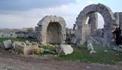
- Saint
Maroun Places in
Halab - Syria
-
Study about
these Places
-
Life of Saint
Maroun
-
Arabic texts
and Pictures, HTML files
|
- اماكن مار مارون
في حلب، سوريا
- دراسة لإحياء هذه الاماكن
ورموزها
- تأمّل في حياة مار مارون
- العودة
الى الجذور بعده
المسكونيّ
|
|
 |
|
|
|
|
|
|
|
بطاركة الكنيسة السريانية المارونية |
|
https://www.puresoftwarecode.com/patriarch_elias_houweyek-1834.htm |
| List
of the Maronite Patriarchs, in English |
لائحة
باسماء بطاركة
الكنيسة المارونية
بالانكليزية |
|
|
| The Maronite
Patriarchs since 685 - 2008, & list of 160
Patriarchs |
English Texts - 287 KB zip file
download |
|
|
|
|
Continue
|
List
of theName of the 160 Maronite Patriarchs
since 685
- 2008 |
|
- The Maronite Patriarchs
since 685
- 2008, more then 160 Patriarchs
- The First list of the Maronite Patriarchs
since
685 - 1110
- The First list of the Maronite Patriarchs
since
1110 - 2008
-
The First Maronite Patriarch : Yuhanna Maroun el Sroumi
( 685
- 707 )
|
 |
Saint Youhanna
Maroun, first Maronite
patriarch
|
The Maronite Patriarchs
since 685 - 1110 |
Yuhanna Maroun el Sroumi ( 685
- 707 )
Boulos Tawaghan (661-665)
؟؟
Yuhanna Maron 2
(787-807)
Korius relative of Yuhanna
Maron
Gebrael
Yuhanna el Damlassi
Theophilus
Gregorius from Halate
Estephane
Marcus from Antioque
Ossabius
Yuhanna from Homs
Gregorius
Theophilktus
Joshua from al Sham
Dimitus from Beirut
Youssef from Jbeil
Gerges from Batroun
|
Ethenasius from Akka
Gregorius from Ehden
Marcus from Tyr
Clemensus from Antioque
Mikhael from Toula-Batroun
Boulos from Kfarsaroun-Jobbet
Simeon from el Sham
Zakharia from Ban
Samuel el Razzi from Bkoufa
Yuhanna from A'aktanit
Daniel from Tripoli
Boutros from Smar Jbeil
Moussa from KfarZayna
Boulos from Hayfa
Youssef from Chadra
Maroun from Bikfaya
Ibrahim from
Nassira
Hezkial from Darb el Sim
Antoun from Lehfed
|
Elias from Hakel
Andrews from Beirut
Kirellus from Cyprus
Ethenasius from Tyr
Yuwakim from Kodss
Elias from Batroun
Luca from Raskifa
Mikhael from Beirut
Yuhanna from Homs
Simeon from Kobayat
Ermia from Yafa
Zakaria from Kodss
Yuhanna from Hakel
Simeon from Antioque
Achi'ya from Bejje
Daoud from Akkar
Gregorius from Arqa
Elias from Tal Seb'el
Semaan from
Arjess |
|
The Maronite Patriarchs
since
1110 - 2008 |
Youssef EL GERGESS (1110-1120)
Pierre (1121-1130)
Grégoire from Halate (1130-1141)
Jacob from Ramate (1141-1151)
Jean (1151-1154)
Pierre (1154-1173)
Pierre from Lehfed (1173-1199)
Jérémie from Amchite (1199-1230)
Daniel from Chamate
(1230-1239)
Jean from Jaje (1239-1245)
Siméon from
Kobayat (1245-1277)
Daniel from Hadchite (1278-1282)
Jérémie from Dmalsa (1282-1297)
Siméon from Blaouza
(1297-1339)
Yuhanna from Akoura (1339-1357)
Gabriel
from Hjoula (1357-1367)
Jean (1367-1404)
Jean from Jaje (1440-1445)
Yacoub from Hadath (1445-1468)
|
Joseph from Hadath (1468-1492)
Siméon from Hadath
(1492-1524)
Moussa AKKARI from Baridi (1524-1567)
Michel RIZZI from Bkoufa (1567-1581)
Sarkis RIZZI from
Bkoufa (1581-1596)
Joseph RIZZI from Bkoufa (1596-1608)
Jean MAKHLOUF from Ehden (1608-1633)
Georges OMAIRA from Ehden
(1633-1644)
Joseph HALIB from Akoura (1644-1648)
Jean
BAWAB from Safra (1648-1656)
Georges RIZKALLAH from Bseb’el
(1656-1670)
Etienne DOUAIHI from Ehden
(1670-1704)
Gabriel from Blaouza (1704-1705)
Yaccob from
Hasroun (1705-1733)
Joseph Dergham El KHAZEN from Ghosta
(1733-1742)
Siméon AWAD from Hasroun
(1743-1756)
Tobia EL KHAZEN from Békaat'
Kanaan(1756-1766)
Joseph ETIENNE from Ghosta
(1766-1793)
|
Michel FADEL from Beyrouth
(1793-1795)
Philippe GEMAYEL from Bikfaya
(1795-1796)
Youssef Tayan from Beyrouth
(1796-1808)
Yuhanna el HELOU from Ghosta
(1808-1823)
Youssef HOBEISH from Sahel Alma (1823–
1845)
Youssef El KHAZEN from
Ajaltoun(1845–1854)
Boulos MASSAAD from Achkout (1854–
1890)
Yuhanna EL HAJJ from Dlebta (1890–
1898)
Elias HOWAYEK from Helta (1898–
1931)
Antoun ARIDA from Bécharré (1931–
1955)
Boulos MEOUCHI from Jezzine (1955–
1975)
Antoine KHREICH from Ain Ebl (1975–
1986)
Nasrallah SFEIR from Raifoun
(1986) |
|
|
|
|
|
|
|
|
|
Life
of 14 Patriarchs
of the Maronite
Church |
English Texts - 117 KB zip file
download
|
|
|
|
Life
of 14 Patriarchs
of the Maronite
Church, Since 1670 to 2008. in English |
|
Continue Names
of 14 Patriarchs
of the Maronite
Church |
The Names
of 14 Patriarchs
of the Maronite
Church, Since 1670 to 2008
History and Biography information, English texts and pictures,
HTML files
|
- Etienne DOUAIHI from Ehden
(1670-1704)
- Joseph Dergham El KHAZEN from Ghosta
(1733-1742)
-
Tobia EL KHAZEN from Békaat'
Kanaan(1756-1766)
-
Youssef Tayan from Beyrouth
(1796-1808)
-
Yuhanna el HELOU from Ghosta
(1808-1823)
-
Youssef HOBEISH from Sahel Alma
(1823– 1845)
-
Youssef El KHAZEN from
Ajaltoun(1845–1854)
|
-
Boulos MASSAAD from Achkout (1854–
1890)
-
Yuhanna EL HAJJ from Dlebta (1890–
1898)
-
Elias HOWAYEK from Helta (1898–
1931)
-
Antoun ARIDA from Bécharré (1931–
1955)
-
Boulos MEOUCHI from Jezzine (1955–
1975)
-
Antoine KHREICH from Ain Ebl (1975–
1986)
-
Nasrallah SFEIR from Raifoun
(1986)
|
|
|
|
|
|
|
| |
|
Life
of 24 Patriarchs
of the Maronite
Church |
Arabic Texts - 152 KB zip file
download
|
|
|
Life
of 24 Patriarchs
of the Maronite
Church, Since 1670 to 2008. in Arabic |
|
Continue Names
of 24 Patriarchs
of the Maronite
Church, Since 686 to 1854 |
اسماء 24 بطريرك ماروني من البطريركية السريانية
المارونية، بطريركية
انطاكية وسائر المشرق
حياتهم مع شرح للحقبات
السياسية، من العباسية ليومنا، التي عاشتها
الكنيسة المارونية وشعبها.
History and Biography information, Arabic
texts and pictures, HTML files
|
-
البطريرك الاول القديس يوحنا مارون
(686 - 707)
- البطريرك يوحنا
العاقوري (1339-1357)
- البطريرك جبرايل
من حجولا (1357-1367)
- البطريرك يعقوب
الحدثي (1445-1458)
- البطريرك بطرس
الحدثي (1458-1492)
- البطريرك سمعان او شمعون
الحدثي (1492-1524)
-
البطريرك مخايل الرزي (1567-1580)
-
البطريرك سركيس الرزي (1580-1597)
-
البطريرك يوسف الرزي (1597-1608)
|
|
|
|
|
|
|
|
|
 |
|
|
|
|
|
|
| |
|
4 Saints of Church -
Maroun, |
|
Charbel, Rafca and Hardini |
|
|
|
|
|
|
اكليركية مار اغوسطينوس التابعة للكنيسة
المارونية، كفرا - عين سعادة، لبنان |
-
Information à propos cette
Seminaire
-
la vie du
St AUGUSTIN
et sa mère St Monika
-
"le
Savoir n'est pas objet de Connaissance,
il est éveil aux Vérités de
L'Éternelle Sagesse" -
St AUGUSTIN
-
Arabic
Texts, HTML files
|
- الاكلريكية،
لمحة تاريخية ومعلومات عامة
- حياة القديس
اغوسطينوس
ووالدته
القديسة مونيكا
- من اقوال
اغوسطينس "احبب وافعل ما تشاء"
|
|

|
|
|
Link
:
http://www.ssa.org.lb |
|
|
|
"Monks of the Brothers of
the Cross" and "Nuns of the Sisters of Jesus Crucified"
- New |
|
from the Immaculate Heart
of Mary - En & Ar |
|
About these Monks and Nuns
- "Monks
of the Brothers of the Cross" and "Nuns of the Sisters of Jesus Crucified"
from the
Immaculate Heart
of Mary |
|
|
|
English Texts - 839 KB zip file download |
|
|
|
-
Spirituality and Characteristics
-
Reality and Hope
-
Daily
Life Nuns and
Brothers
- Arabic and English
Texts, HTML files
|
|
|

|
|
|
|
|
|
|
 |
- 70 Lebanese Christian
magazines
- Information &
Magazines covers pictures
- Arabic, French,and English
infos, HTML files
|
 | |
| | | |
| | | |
|
|
|
|
|
|
| |
|
| www.puresoftwarecode.com
: |
|
HUMANITIES
Institute |
ART Institute
& Others |
| SOFTWARE
Institute |
CHRISTIANITY
Institute |
|
|
|
"Free, 100 Software
Programming Training Courses"
|
|
History of the MARONITES in
Arabic |
Basilica
Architecture, in the Shape of a Cross |
| VISUAL STUDIO 2010 in
English |
Holy BIBLE in 22 Languages and Studies
... |
Le
HANDICAP c'est quoi ? (in French) |
Old Traditional Lebanese
houses |
| VISUAL STUDIO .NET, Windows & ASP in
English |
220 Holy Christian
ICONS |
Drugs and Treatment in English, french,
Arabic |
5 DRAWING Courses & 3 Galleries |
| VISUAL STUDIO 6.0 in
English |
Catholic Syrian MARONITE Church
|
Classification of Wastes from the Source
in Arabic |
Meteora,
Christianity Monasteries - En, Ar, Fr |
| Microsoft ACCESS in
English |
HOLY MASS of Maronite Church - Audio
in Arabic |
Christianity in the Arabian Peninsula in
Arabic |
Monasteries of Mount Athos & Pilgrimage |
| PHP & MySQL in
English |
VIRGIN MARY, Mother of JESUS CHRIST
GOD |
Summary of the Lebanese history in
Arabic |
Carved
Rock Churches, in Lalibela, Ethiopia |
| SOFTWARE GAMES in
English |
SAINTS of the Church |
LEBANON EVENTS 1840 & 1860, in
Arabic |
|
| WEB DESIGN in English |
Saint SHARBEL - Sharbelogy in 10
languages, Books |
Great FAMINE in LEBANON 1916, in
Arabic |
my PRODUCTS, and Statistiques ... |
| JAVA SCRIPT in
English |
Catholic RADIO in Arabic, Sawt el
Rab |
Great FAMINE and Germny Role 1916,
in Arabic |
|
| FLASH - ANIMATION in
English |
Saint SHARBEL Family - Evangelization |
Armenian Genocide 1915 in
Arabic |
4 Different
STUDIES |
| PLAY, 5 GAMES |
Читать -
БИБЛИЯ и Шарбэль cвятой, in Russe
|
Sayfo or Assyrian Genocide 1915 in
Arabic |
SOLAR Energy & Gas
Studies |
| |
Apparitions
of Virgin Mary - Ar |
Christianity in Turkey in
Arabic |
WELCOME to LEBANON |
| SAADEH BEJJANE
Architecture |
Andree Zouein
Foundation |
|
YAHCHOUCH, my Lebanese
Village |
| CARLOS
SLIM HELU Site. new design |
REPORT, Cyber Attack Attacks the Current
Site |
Prononce English and French and Arabic
Letters |
ZOUEIN, my Family - History &
Trees | |
|
|
|
|